



High-Quality Limestone Powder: Fineness & Purity Impact on Construction Performance
Discover how limestone powder fineness and CaCO₃ purity directly affect concrete strength, durability, and construction cost optimization.
https://tankymineral.com.vn/high-quality
How Limestone Powder Fineness and Purity Affect Construction Quality
Limestone powder has become an essential material in modern construction and industrial applications. As infrastructure development accelerates in developing countries such as Bangladesh, the demand for high-quality limestone powder with controlled fineness and high CaCO₃ purity is increasing rapidly.
The performance of cement, concrete, and construction materials is strongly influenced by the particle size distribution and chemical purity of limestone powder. Understanding these factors helps manufacturers, contractors, and developers improve product quality while optimizing overall project costs.
What Is High-Quality Limestone Powder?
High-quality limestone powder is produced from natural limestone with a high calcium carbonate (CaCO₃) content, typically above 95%. It is finely ground to controlled micron sizes and processed to minimize impurities such as MgO, SiO₂, and Fe₂O₃.
Key characteristics include:
High CaCO₃ purity
Consistent particle size (micronized)
Low moisture content
Stable whiteness and bulk density
These properties make limestone powder suitable for use in cement, concrete, mortar, and industrial fillers.
Why Limestone Powder Fineness Matters
Particle Size and Concrete Performance
The fineness of limestone powder, usually measured in microns (µm), plays a critical role in construction applications. Finer particles fill micro-voids between cement grains, resulting in:
Higher packing density
Improved workability
Enhanced compressive strength
When limestone powder is properly micronized, it acts as a micro-filler, improving the internal structure of concrete.
Optimizing Cement Usage
Using finely ground limestone powder allows partial replacement of clinker in cement production. This helps:
Reduce cement consumption
Lower production costs
Improve sustainability
As a result, high-fineness limestone powder contributes directly to cost efficiency and environmental benefits.
The Importance of CaCO₃ Purity in Limestone Powder
High CaCO₃ Content and Material Stability
Limestone powder with CaCO₃ purity above 95% ensures stable chemical reactions during cement hydration. High purity improves:
Bonding strength
Color consistency
Long-term durability
Low-purity limestone may introduce unwanted reactions that weaken construction materials over time.
Impact of Impurities on Construction Quality
Common impurities such as magnesium oxide (MgO) or iron oxide (Fe₂O₃) can negatively affect:
Setting time of cement
Structural strength
Surface appearance
Therefore, strict quality control is essential to ensure limestone powder meets international construction standards.

Production Process of High-Quality Limestone Powder
Producing premium limestone powder requires advanced processing technology and strict quality control.
Main production steps:
Raw limestone selection with high CaCO₃ content
Primary and secondary crushing
Drying (if required)
Fine grinding using ball mill or vertical mill
Air classification for precise particle size control
Quality testing and packaging
Each stage ensures the final product meets required fineness and purity specifications.
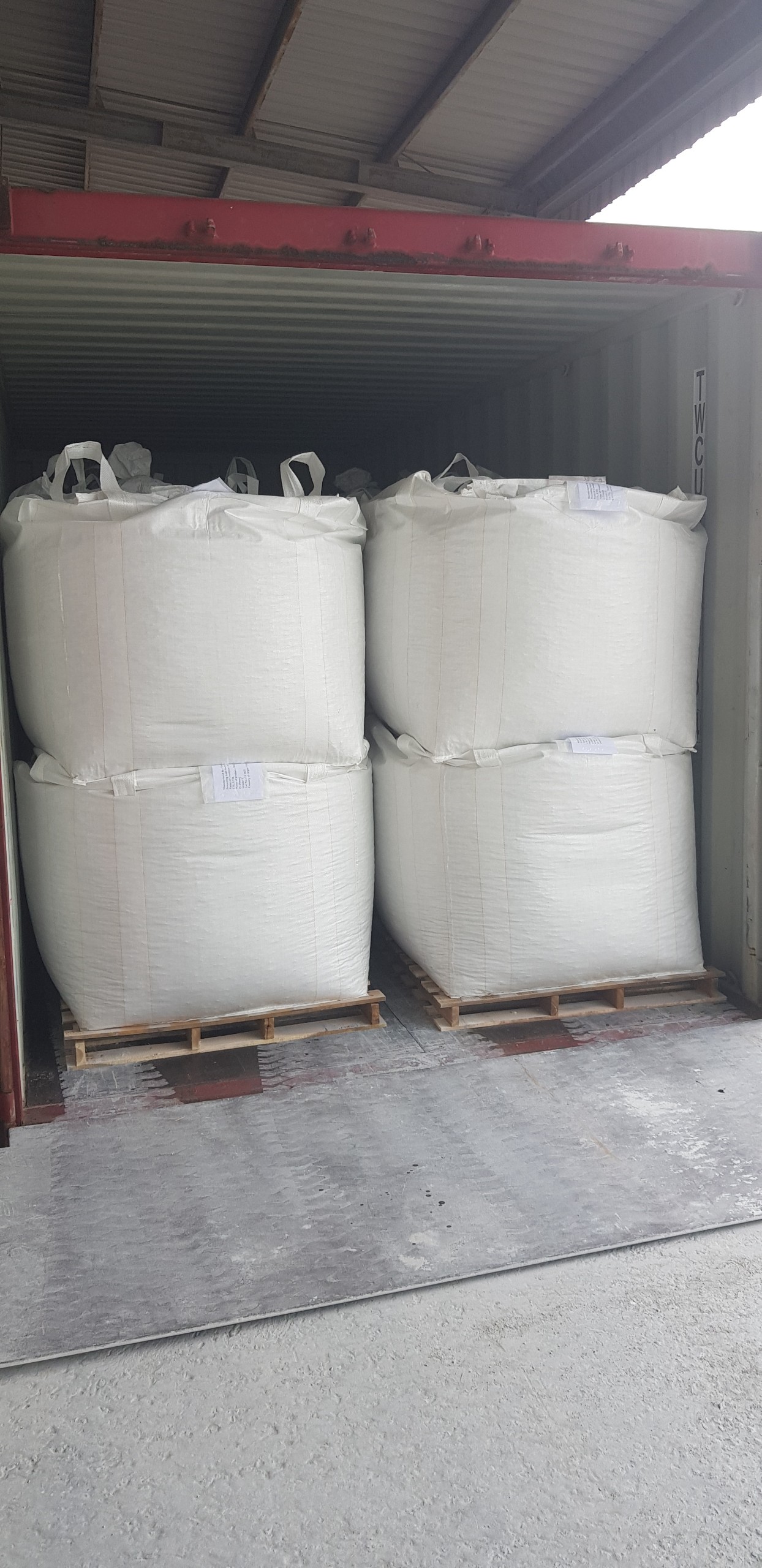
Applications of Limestone Powder in Construction and Industry
High-quality limestone powder is widely used in:
Cement and concrete production
Mortar and plaster
Precast concrete products
Construction blocks and AAC panels
Industrial fillers
In markets like Bangladesh, limestone powder supports rapid infrastructure growth while maintaining cost efficiency and durability.
Choosing the Right Limestone Powder Supplier
To achieve consistent construction quality, it is crucial to select a supplier that offers:
Stable CaCO₃ purity
Controlled particle size distribution
Reliable production capacity
Compliance with international standards
A trusted limestone powder supplier provides not only raw materials but also long-term technical solutions for construction and industrial projects.
The fineness and purity of limestone powder directly impact the performance, durability, and cost-effectiveness of construction materials. By choosing high-quality, pure limestone powder, manufacturers and developers can enhance concrete strength, optimize cement usage, and improve overall project efficiency.
As construction demands continue to rise, especially in developing markets, limestone powder remains a key material for sustainable and high-performance construction solutions.
- Contact: salesmanager@tankymineral.com.vn
Website: www.tankymineral.com.vn
