



Calcium Carbonate Powder in Food & Beverages: Applications and Benefits
Discover the role of calcium carbonate powder in food and beverages, its production process, applications, and health benefits.
Calcium Carbonate Powder in Food & Beverages
Calcium Carbonate (CaCO₃) powder is a widely used inorganic compound in the food and beverage industry. Not only does it help supplement calcium in the human body, but it also plays an important role in regulating acidity, improving texture, and extending the shelf life of food products.
Let’s explore the applications, production process, and benefits of calcium carbonate powder in the food and beverage sector.
What is Calcium Carbonate Powder?
Calcium carbonate powder is the calcium salt of carbonic acid, naturally found in limestone, marble, and coral. It is a rich source of calcium, often finely ground into powder for use in various industries, especially food and beverages.

Key Properties of Calcium Carbonate
Fine white powder
Odorless, bland taste
Partially soluble in water, well soluble in mild acids
Safe for human consumption when used in recommended amounts
Production Process of Food-Grade Calcium Carbonate Powder
Producing food-grade calcium carbonate requires strict quality control to ensure safety. The main steps include:
1. Raw Material Extraction
High-purity limestone or marble is selected from quarries to minimize impurities.
2. Grinding and Milling
The stone is crushed and ground into ultra-fine powder (usually below 5 microns), increasing surface area and solubility.
3. Sieving and Purification
The powder is sieved to remove impurities, then chemically or thermally purified to achieve ≥98% purity.
4. Drying and Packaging
The final powder is dried and packaged under sterile conditions, ensuring it is free from contaminants and meets food-grade standards.
Applications of Calcium Carbonate Powder in Food & Beverages
1. Calcium Supplement
Calcium is essential for bones, teeth, and the nervous system. Calcium carbonate in food serves as a natural calcium source, used in:
Powdered milk and nutritional formulas
Bread and bakery products
Calcium-fortified beverages
2. Acidity Regulator
Calcium carbonate helps neutralize acidity in food and beverages, maintaining product stability and taste. Examples include:
Carbonated drinks
Bottled fruit juices
3. Anti-Caking Agent
In powdered spices, milk powder, or cocoa powder, calcium carbonate prevents clumping, improves solubility, and enhances user experience.
4. Shelf-Life Enhancer
By controlling pH and reducing oxidation, calcium carbonate helps extend product shelf life without relying heavily on chemical preservatives.
Benefits of Calcium Carbonate in Food & Beverages
Supports healthy bones and teeth by providing natural calcium
Balances acidity, preserving taste and color
Safe for consumption, approved by FDA and EFSA at recommended dosages
Enhances product stability and shelf life, reducing the need for chemical additives
SEO Keywords: benefits of calcium carbonate, calcium in food, safe food additive
| Role | Application in Food & Beverages | Benefit | Typical Usage (%) |
|---|---|---|---|
| pH / Acid-Base Regulator | Milk, juices, carbonated drinks | Helps balance acidity, stabilizes flavor and color | 0.05 – 0.2% |
| Calcium Source | Breakfast cereals, bread, milk, calcium-fortified products | Provides calcium for healthy bones and teeth | 0.5 – 1.5% |
| Anti-caking / Thickening Agent | Powder mixes, seasonings, powdered milk | Prevents clumping, improves texture | 0.1 – 2% |
| Color Stabilizer | Fruit juices, bottled drinks | Maintains natural color, extends shelf life | 0.05 – 0.1% |
| Mild Antioxidant / Preservative | Certain beverages and processed foods | Reduces mild oxidation, keeps products fresher | 0.05 – 0.2% |
| Mineral Fortification | Functional foods, fortified water | Increases nutritional value without affecting taste | 0.5 – 2% |
Important Considerations
Do not exceed the recommended daily intake (typically ≤ 2 g per adult)
Store in a dry, cool place, away from sunlight
Monitor particle size and purity for compatibility with processed foods
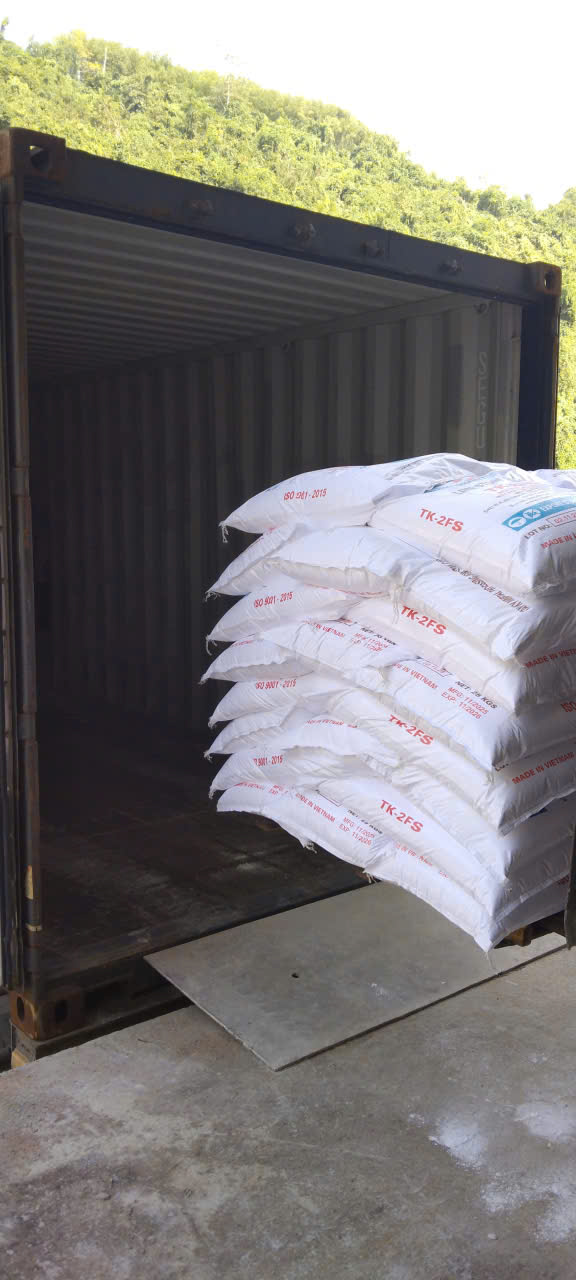
Calcium carbonate powder is an essential ingredient in the food and beverage industry, providing calcium while improving product quality and stability. With safe production processes and versatile applications, calcium carbonate is increasingly a preferred choice in modern food manufacturing.
Proper use not only benefits health but also enhances the consumer experience in nutritional products, bakery items, milk, and calcium-fortified beverages.
- Contact: salesmanager@tankymineral.com.vn
Website: www.tankymineral.com.vn
