



Calcium Carbonate as an Affordable and Eco-Friendly Filler for Paper Production
Learn why calcium carbonate in paper industry is one of the most widely used paper fillers, offering low cost, high brightness, and improved sustainability. Explore benefits of coarse CaCO₃ in modern paper manufacturing.
Calcium Carbonate – A Cost-Effective and Eco-Friendly Paper Filler
In the modern paper industry, optimizing raw material costs while reducing environmental impact is a key priority. Calcium carbonate (CaCO₃)—especially in its coarse form—has become a preferred filler due to its affordability, high whiteness, and ability to enhance paper quality. Its natural origin also supports the growing shift toward sustainable materials.
Why Calcium Carbonate Matters in Paper Manufacturing
As a paper filler and pigment, CaCO₃ partially replaces cellulose fibers, which are more expensive to produce. This leads to significant cost savings while improving several physical and optical properties of the final paper.
Roles of CaCO₃ in the Paper Industry
- Enhances whiteness and brightness
- Improves opacity for clearer printing
- Reduces overall pulp consumption
- Stabilizes pH in the production environment
- Improves smoothness and printability
Benefits of Using Coarse Calcium Carbonate in the Paper Industry
1. Low Cost – A Highly Economical Choice
Coarse CaCO₃ is considerably cheaper than cellulose or high-end pigments like kaolin. When added to the pulp mixture, it helps:
- Cut cellulose usage by 10–20%
- Reduce cost per ton of paper
- Improve production efficiency
This makes coarse calcium carbonate a long-term cost-saving strategy for paper mills.
2. High Whiteness and Brightness
One of the standout features of calcium carbonate in the paper industry is its naturally high whiteness. This provides:
- ISO brightness levels reaching 88–95%
- Reduced need for chemical bleaching agents
- Clean, bright, visually appealing paper surfaces
These properties are essential for printing papers, writing papers, and premium office paper.
3. Eco-Friendly Characteristics – A Truly Sustainable Material
Compared with many alternative fillers, CaCO₃ is a natural, non-toxic mineral with a low environmental footprint.
Why coarse CaCO₃ is considered a sustainable material:
- Low pollution during processing
- Reduced energy use in papermaking
- Requires less reliance on wood fibers → helps protect forests
- Fully recyclable with paper without special treatment
Its environmental compatibility aligns with global sustainability trends.
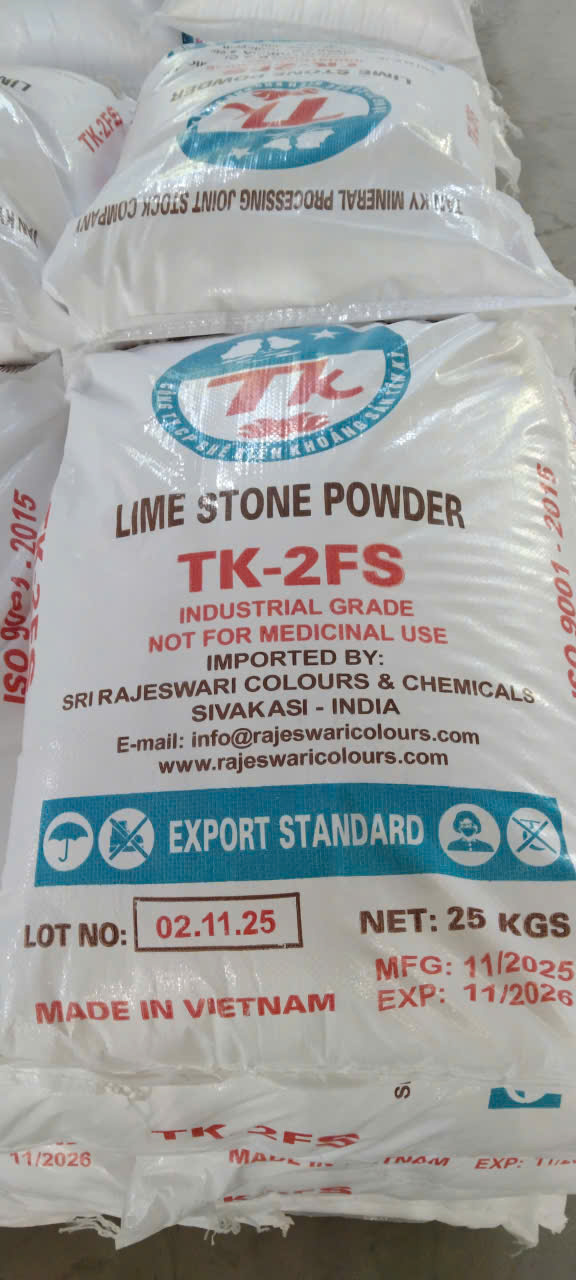
4. Improved Paper Performance and Print Quality
Coarse CaCO₃ enhances the surface properties of paper, resulting in better printability. Key advantages include:
- Reduced ink absorption → saves ink
- Higher opacity → prevents text show-through
- Smoother surface for high-resolution printing
This is particularly beneficial for offset printing paper, photocopy paper, and high-quality packaging paper.
5. Versatile Applications Across Paper Types
Coarse calcium carbonate can be used in many types of paper, including:
- Writing and printing paper
- Artistic and bright specialty papers
- Premium packaging and carton boards
- Duplex and coated paper grades
Its flexibility makes it a universal filler across the industry.
How Calcium Carbonate Is Used in the Paper Production Process
Although each mill has its own workflow, the general steps include:
- Pulp preparation
- Mixing coarse CaCO₃ with pulp
- Controlling pH and filler dispersion
- Sheet forming on the wire
- Pressing, drying, and calendaring
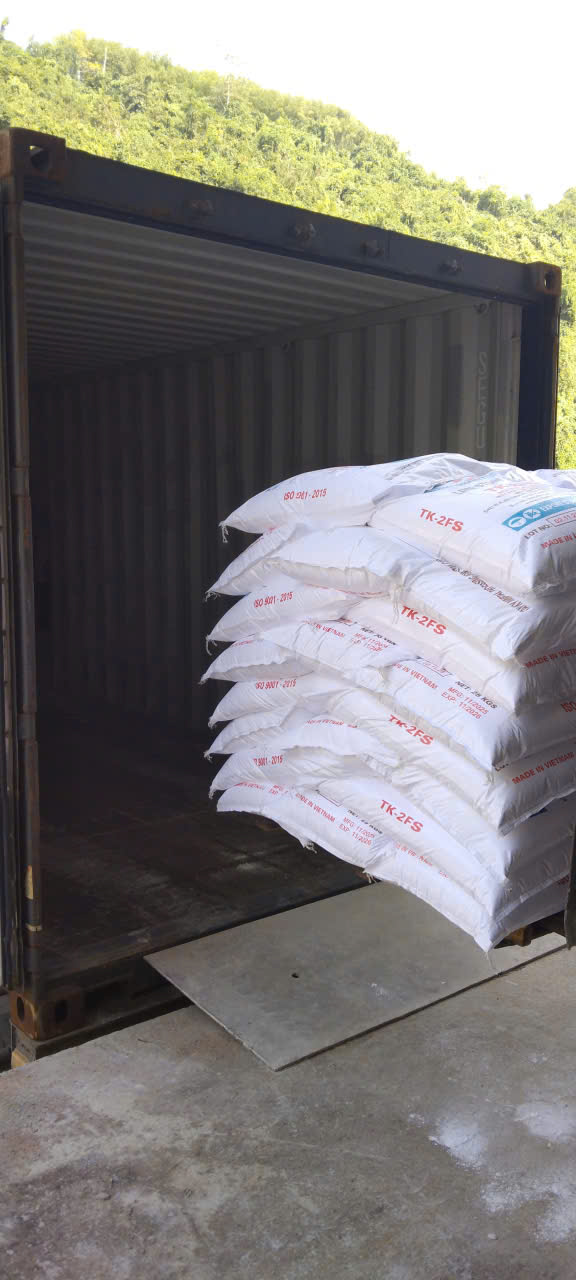
Final quality inspection
The correct filler ratio ensures optimal brightness, strength, and cost efficiency.
Calcium carbonate stands out as an ideal solution for mills seeking an affordable, high-performance, and eco-friendly paper filler. The coarse form of CaCO₃ delivers:
- Lower production costs
- Exceptional whiteness and brightness
- Improved printing performance
- High sustainability value
These advantages ensure that CaCO₃ remains one of the most strategic materials in modern papermaking.
