



Technical Guide to Calcium Carbonate Powder (CaCO₃) for Bangladesh Industrial Market
High-quality calcium carbonate powder (CaCO₃) for Bangladesh industries. Learn about mesh size, coated vs uncoated, applications in plastic, paint, paper, and construction.
https://tankymineral.com.vn/technical
Technical Guide to Calcium Carbonate Powder (CaCO₃) for Bangladesh Market
Calcium carbonate powder (CaCO₃) is one of the most widely used mineral fillers in industrial production worldwide. In Bangladesh, with the rapid growth of plastic manufacturing, construction, paint, and paper industries, the demand for high-quality calcium carbonate powder is increasing every year.
This technical guide provides a clear overview of calcium carbonate powder types, specifications, applications, and how to choose the right product for Bangladesh manufacturers.
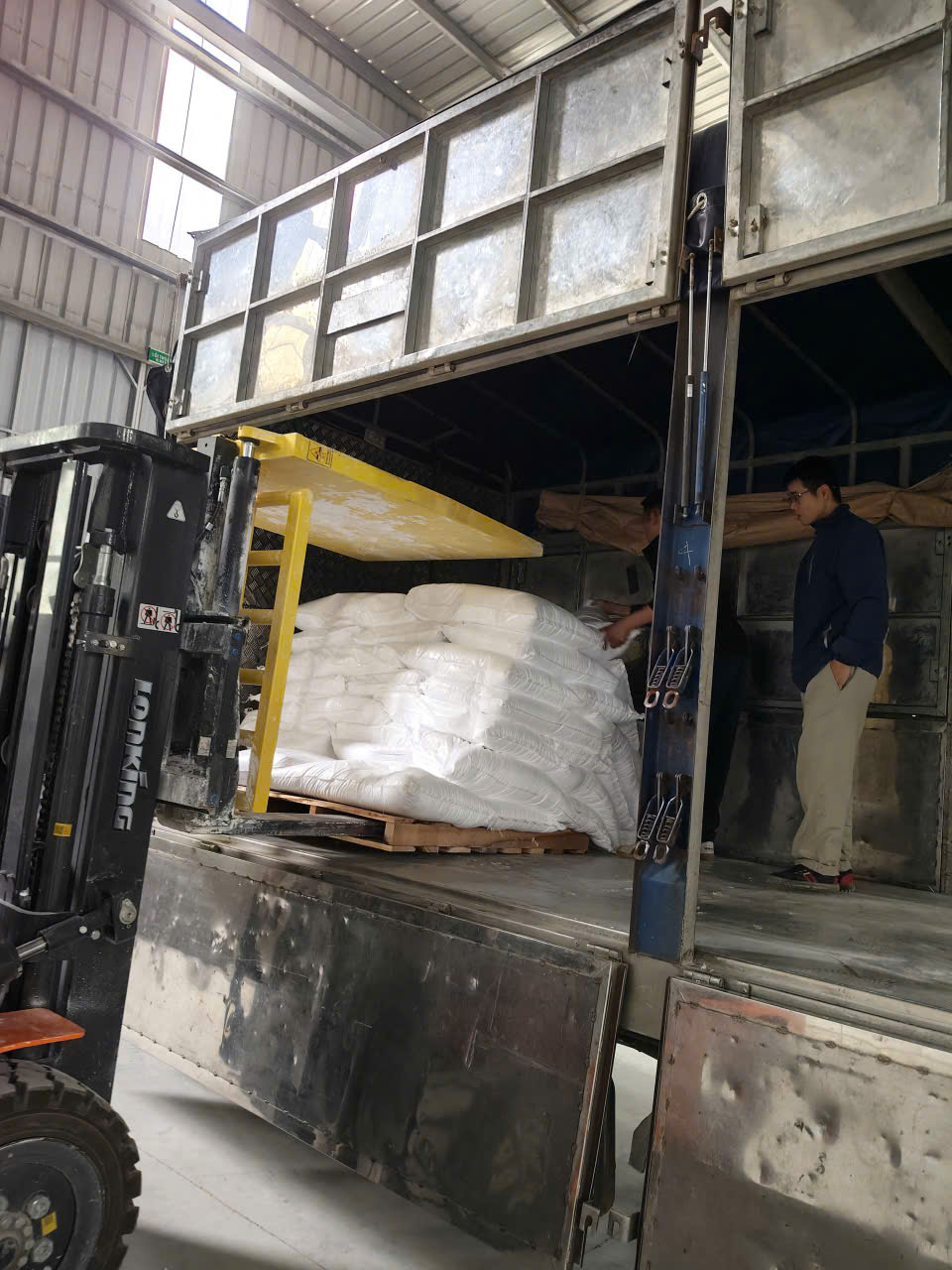
What Is Calcium Carbonate Powder?
Calcium carbonate powder is produced from natural limestone through crushing, grinding, and classification processes. The final product is a fine white powder with high purity, stable chemical composition, and excellent dispersion properties.
Chemical Composition
CaCO₃ content: ≥ 97%
Low impurities: MgO, Fe₂O₃, SiO₂
High whiteness and brightness
These properties make calcium carbonate powder suitable for many industrial applications in Bangladesh.

Coated vs Uncoated Calcium Carbonate Powder
One of the most important technical considerations for buyers in Bangladesh is choosing between coated and uncoated calcium carbonate powder.
Uncoated Calcium Carbonate Powder
Characteristics:
Natural surface
Good dispersion in water-based systems
Cost-effective
Recommended applications in Bangladesh:
Paint & coatings
Construction materials
Paper industry
Rubber products
Coated Calcium Carbonate Powder
Coated calcium carbonate powder is treated with stearic acid to improve compatibility with polymers.
Advantages:
Better dispersion in plastic resin
Improved mechanical strength
Reduced moisture absorption
Recommended applications:
PP, PE, PVC plastic products
Masterbatch production
Plastic packaging and woven bags
Mesh Size and Its Impact on Production Performance
Mesh size (or particle size in micron) directly affects processing efficiency and product quality.
Common mesh sizes for Bangladesh market:
200–400 mesh: Construction, filler applications
800–1250 mesh: Paint, rubber, general plastics
2500 mesh: High-end plastic and masterbatch
Why Mesh Size Matters
Finer particles → smoother surface finish
Better dispersion → improved strength and appearance
Reduced wear on machinery when particle size is stable
Choosing the correct mesh size helps Bangladesh manufacturers optimize cost and product performance.
Key Applications of Calcium Carbonate Powder in Bangladesh
Plastic Industry
Calcium carbonate powder is widely used as a filler to:
Reduce raw material cost
Improve stiffness and dimensional stability
Enhance processing efficiency
Paint & Coatings
In paint formulations, CaCO₃:
Improves opacity and coverage
Enhances brightness
Controls viscosity
Construction Industry
Used in cement, concrete, and putty to:
Increase compressive strength
Improve workability
Reduce overall production cost
Paper Industry
CaCO₃ powder improves:
Paper brightness
Printability
Surface smoothness
How to Choose the Right Calcium Carbonate Powder for Bangladesh Buyers
When selecting a calcium carbonate powder supplier, Bangladesh manufacturers should consider:
Stable CaCO₃ content and whiteness
Consistent mesh size between batches
Suitable coating for plastic applications
Reliable supply capacity and export experience
Technical support and customization according to industry needs are also key factors for long-term cooperation.
Why Vietnam Calcium Carbonate Powder Is Suitable for Bangladesh
Vietnam is one of the leading producers of high-quality calcium carbonate powder thanks to:
Abundant high-purity limestone resources
Advanced grinding and coating technology
Competitive pricing and stable supply
Vietnamese calcium carbonate powder is widely exported to Bangladesh and meets the technical requirements of local industries.
Calcium carbonate powder plays a vital role in Bangladesh’s industrial development. Understanding technical factors such as coated vs uncoated types, mesh size, and application requirements helps manufacturers choose the most suitable product.
A reliable calcium carbonate powder supplier not only delivers consistent quality but also provides technical support to optimize production efficiency and cost.
Contact: salesmanager@tankymineral.com.vn
Website: www.tankymineral.com.vn
